


Beginner Beekeeping Protective Clothing: What You Need

Last Updated: November 16, 2026
Quick Summary
Beginner beekeeping protective clothing should be a suit or jacket that closes securely at the wrists, ankles and neck, since gaps are where stings get through. Choose a ventilated suit for warm days or a standard suit with solid fabric for cooler weather. Gloves and a veil complete the kit, and the fit should allow you to bend and reach without gaps.
Close gaps at the wrists, ankles and neck, since gaps are where stings get through.
Ventilated suits use mesh panels to keep air moving on warm days.
Standard suits with more solid fabric may suit cooler weather better.
Choose gloves that let you handle frames and a veil that stays clear of your face.
Check that nothing gaps when you stretch, and look for adjustable closures.
Ready to gear up for your first hive?
That Crazy Bee Guy offers beekeeping protective gear and starter guidance for beginners.
Table of Contents
Choosing a Best Beekeeping Suit as a Beginner
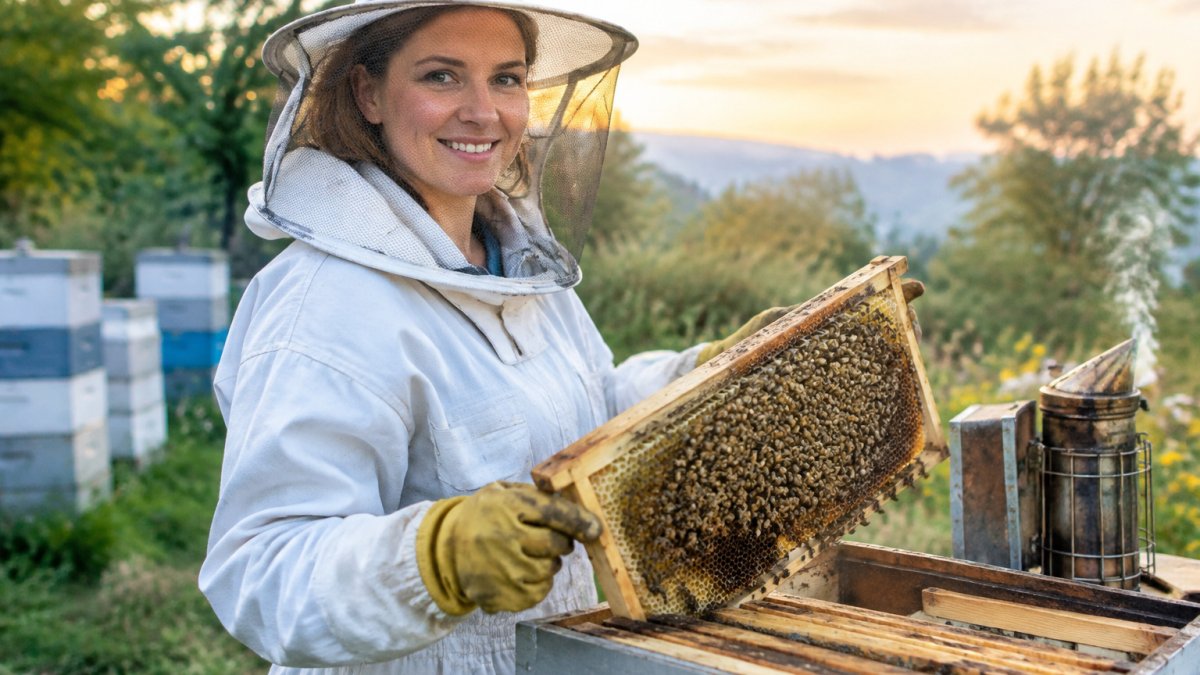
A beginner's first beekeeping protective clothing matters most for confidence. A suit that fits well lets you focus on the bees instead of worrying about stings. Protective clothing is the first purchase many new beekeepers make, so it helps to know what to look for before you buy.

Start with a suit or jacket that closes securely at the wrists, ankles and neck. Gaps are where stings get through. Check that the veil sits firmly and that the fabric is thick enough to resist stings but still lets you move. You can browse our shop to compare suits, or see our cowboy veil if you want an affordable head-protection option.
Ventilated Beekeeping Suit Versus Standard Options
A Ergonomics in apiculture case study on inspection work found that physical strain is a real concern during hive inspections, so comfort matters as much as coverage. Ventilated suits use mesh panels to keep air moving, which helps on warm days. Standard beekeeping protective clothing offers more solid fabric and may suit cooler weather better.
Gloves, Veil, and Women Beginner Beekeeping Protective Clothing Fit
Gloves protect your hands, and a veil protects your face. Choose gloves that let you handle frames, and a veil that stays clear of your face. For a complete starting kit, explore our 6 frame electric extractor and other supplies, or take our online beginner's class to practice safe handling.
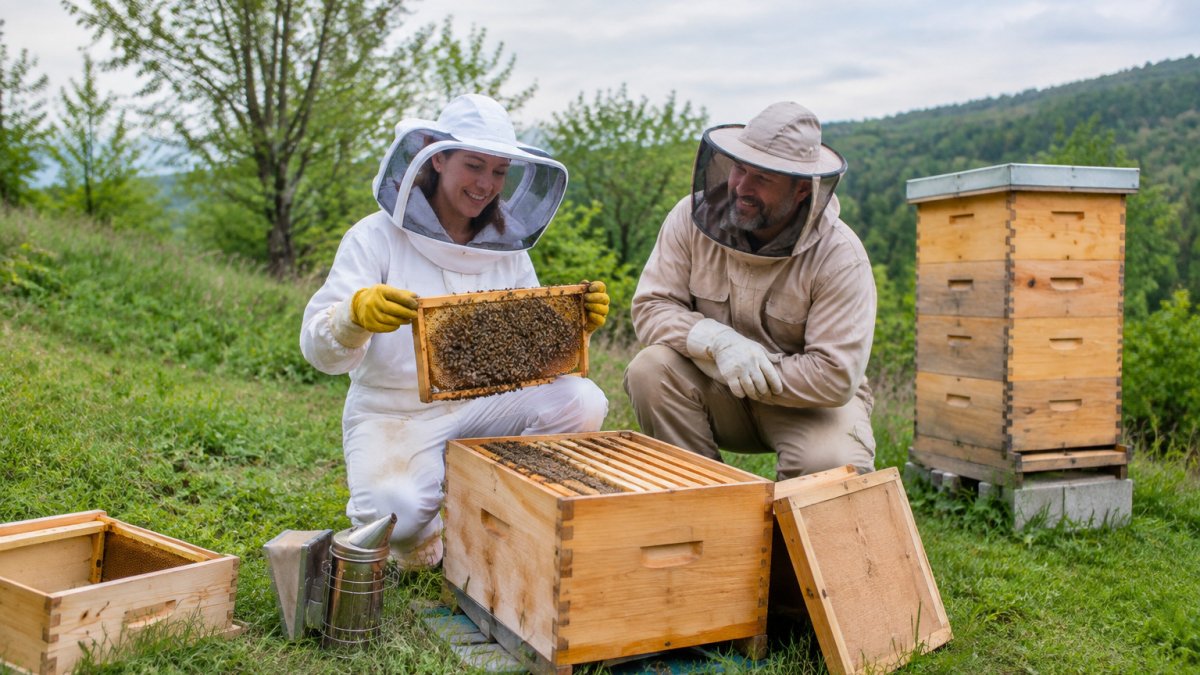
Fit matters for women beginners as much as for anyone. Look for suits sized for your height and build, with adjustable closures and room to bend and reach. Check that nothing gaps when you stretch.
Ready to get started? Visit THAT CRAZY BEE GUY! to explore starter gear and expert guidance from That Crazy Bee Guy.
Frequently Asked Questions
Do beginner beekeepers need a full suit?
Many beginners start with a full suit or a jacket with a veil because it builds confidence during early hive inspections. Full coverage helps prevent stings at the wrist, ankle and neck, where gaps are most common. Some experienced keepers argue a jacket and veil can be enough with calm bees, but that depends on temperament and comfort. Choose the option you will actually wear every time you open a hive.
Are ventilated beekeeping suits worth it?
A ventilated suit can make warm-weather inspections more bearable, since it improves airflow and reduces heat build-up. Ventilated suits still protect against stings, but mesh offers less barrier than heavier cotton or canvas in some cases. Before buying, check sizing, zippers and elastic cuffs. Comfort matters because you are less likely to rush or fidget when you can work calmly.
Can I wear regular clothes under a beekeeping suit?
Light, snug clothing such as jeans and a long-sleeved shirt can be worn under a beekeeping suit to add a layer of protection and reduce skin exposure. Avoid loose or bulky clothing that can catch on frames. Keep sleeves and pant legs covered at the cuffs and ankles, and use leg straps if your suit includes them. Wash protective clothing regularly to remove propolis and wax.

Comments