
Are Honey Bee Products Worth Buying for Your Health?

Quick Summary
Honey bee products such as honey, beeswax, propolis, bee pollen and royal jelly each come from the same colony but form differently and suit different uses. Their value depends on the product, its source and how it is labeled. Several carry allergy risks, and honey must never be given to infants under 12 months.
Honey is nectar that foragers collect and reduce until thick and sugar-rich.
Never give honey to infants under 12 months because it can carry botulism spores.
Propolis composition varies with local plants, so no two batches are identical.
Check propolis labels for plant source, concentration, and product form before buying.
Anyone with a known bee sting or bee product allergy should avoid these products.
Table of Contents
What Honey Bee Products Are and Where They Come From
Honey bee products are the materials that worker bees make or gather from their hives and the flowers around them. Honey, beeswax, propolis, royal jelly and bee pollen all come from the same colony, but each one forms in a different way. Shoppers often mix up what the bees make with what the beekeeper adds.
Honey is nectar that foragers collect, carry back, and reduce until it is thick and sugar-rich. Curious readers can learn to spot the Ohio honey bee in the field themselves. Beeswax is produced by worker bees from glands on their abdomens and shaped into the comb cells. Propolis is a resin-like mix bees gather from tree buds and plant sap and use to seal gaps in the hive. Bee pollen is the protein-rich dust packed into pellets on the bees' legs, and royal jelly is a secretion fed to developing larvae.
Where a product comes from affects its quality. Raw honey, for example, is left unfiltered and unpasteurized, so it keeps more of its natural pollen and character. Check a label for what it actually says before you buy.
Honey Bee Products and Their Uses in Everyday Life
Most people first meet bee products in the kitchen, but each one behaves differently and suits different jobs. A quick product-by-product walkthrough makes the category easier to scan than a wall of store listings.

Honey is the sweetener and the most versatile product. It dissolves in warm liquids, browns in baked goods, and glazes meats. Because it is sugar-rich and low in moisture, it keeps well in a sealed jar at room temperature. Watch out: honey should never be given to infants under 12 months, because it can carry spores that cause infant botulism (the CDC).
Beeswax is the structural product. It gives candles, balms, salves, soaps and polishes their body and finish, and it waterproofs fabric and wood. It is firm at room temperature and softens with heat, which is why storage matters.
Bee pollen is the protein-rich pellet bees pack onto their legs. Shoppers sprinkle it over yogurt or cereal and blend it into smoothies. It can trigger allergic reactions in people sensitive to pollen.
Propolis is the resin-like sealant bees gather from tree buds and plant sap. It shows up in throat sprays, balms and tinctures. Its composition varies with local plants, so no two batches are identical.
Royal jelly is the secretion worker bees feed to developing larvae, and it is the product most often sold as a premium supplement. It is perishable and typically sold refrigerated or freeze-dried.
A simple way to start is to buy one jar of raw honey and one block of beeswax, use them for a few weeks, and see which fit your routine before you stock up. If you plan to try pollen, propolis or royal jelly, introduce one product at a time so you can tell how you respond.
!Hands holding a jar of raw honey beside a honeycomb frame in a sunlit backyard apiary
Each bee product behaves differently and suits different jobs, as the summary below shows.
Product | Typical use | Key caution |
Honey | Sweetener, baking, glazes | Never give to infants under 12 months |
Beeswax | Candles, balms, soaps, polishes | Softens with heat; store cool |
Bee pollen | Sprinkled on yogurt, cereal, smoothies | Can trigger pollen allergies |
Propolis | Throat sprays, balms, tinctures | Composition varies with local plants |
Royal jelly | Premium supplement | Perishable; sold refrigerated or freeze-dried |
Beeswax Uses Beyond the Candle
Beeswax is one of the most useful bee products, and it goes well beyond candles.
Keep beeswax wrapped and stored in a cool, dry place. Heat softens it, and a warm spot in a car or shed can leave it misshapen.
Propolis Benefits and Uses, and What the Evidence Shows
Propolis is a product people often overstate. Bees collect it from tree resins, and the mix varies a lot depending on the plants nearby, so much that researchers often describe propolis by its region and plant source rather than as one uniform substance. That variation is the single biggest reason claims about it are hard to generalize.
How to read a propolis label: look for the plant source or region if the maker lists it, the concentration or extract ratio, and whether the product is a tincture, capsule, spray or balm. Those details matter more than a front-label wellness claim, because the form and dose differ widely between products.
Safety caveats deserve more attention than they usually get. Propolis can cause allergic reactions in people sensitive to bee products. If you have a known allergy to bee stings or bee products, avoid propolis unless a clinician clears it, and talk with a healthcare provider before using it if you take medication, are pregnant or breastfeeding, or manage a health condition.
If you use it, read the label closely and talk with your doctor first, especially if you take medication or have allergies to bee products.
Honey Bee Skin Care Products and Who Should Be Careful With Them
Honey, beeswax and propolis are common in skin care, and many people enjoy balms and soaps made with them.
Bee-derived products can cause allergic reactions. Anyone with a known allergy to bee stings or bee products should avoid these items.
Choosing and Storing Quality Honey Bee Products From Your Next Hive Visit
Whether you buy products or harvest them yourself, quality matters. Look for clear labeling that names the product and its source, and avoid items that list vague ingredients. Raw honey should look cloudy or granular at times, which is normal and not a sign of spoilage.
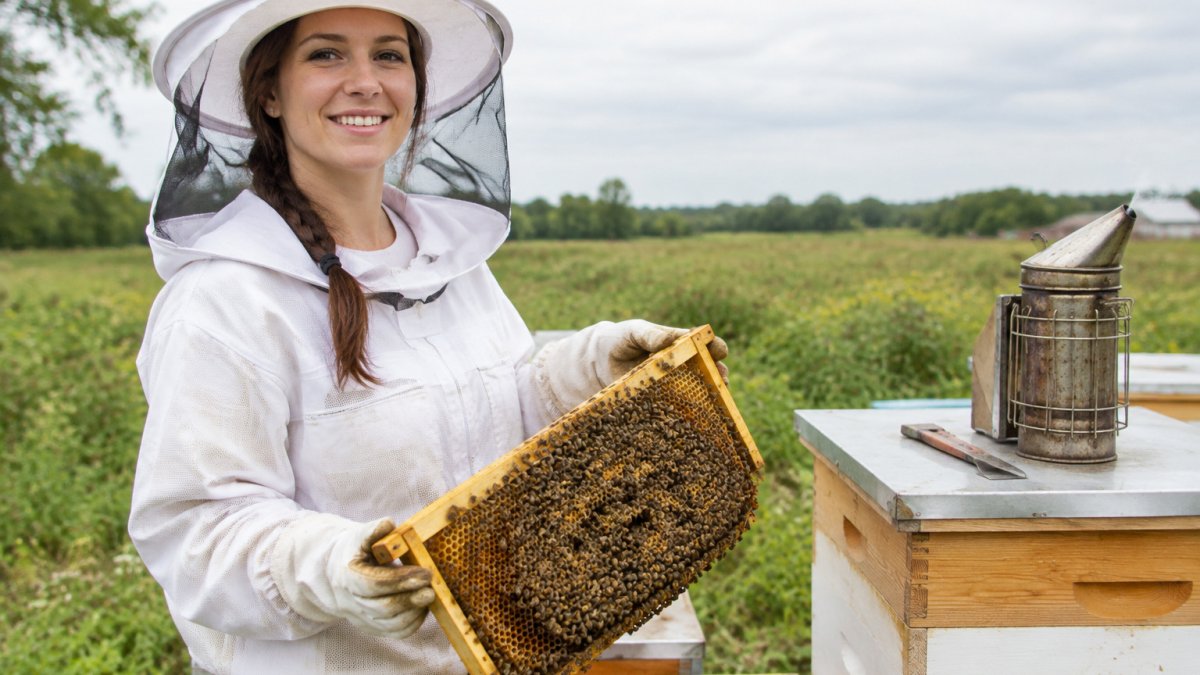
If you harvest your own honey, the right tools make the job cleaner and safer.
Store honey in a sealed container away from heat and moisture. Beeswax should stay cool and dry, and propolis should be kept in its original container so it does not pick up odors.
Ready to start with honey bee products? That Crazy Bee Guy carries beekeeping equipment, starter kits and a range of bee-derived goods for beginners and experienced keepers alike. Browse our shop to find the right fit for your hive or your home.
BUTTON: Shop Honey Bee Products CARD_TITLE: Which bee products suit your needs? CARD_TEXT: That Crazy Bee Guy offers honey, beeswax, propolis and beekeeping supplies for beginners and experienced keepers.
Frequently Asked Questions
What products do honey bees make?
Honey bees make several products. Honey is the best known, made from flower nectar that bees process and store as food. Beeswax is secreted by worker bees and used to build honeycomb cells. Propolis is a resinous mix bees collect from tree buds and sap to seal gaps and protect the hive. Bee pollen is collected from flowers and packed into cells as a protein source, and royal jelly is a secretion fed to larvae and queens. Each product has different uses, so buyers should know which one they want before they shop.
What is the difference between raw honey and regular honey?
Raw honey is typically unheated and unfiltered, so it keeps more of its natural pollen, enzymes and flavor compounds. Regular or processed honey is usually heated and filtered to slow crystallization and create a uniform appearance. Both are honey, but the processing differs. Labels matter here: a product marketed as a honey product may contain added ingredients, so check the ingredient list and the label wording before you assume it is pure honey.
Are honey bee products good for skin?
Honey bee products such as beeswax, honey and propolis are used in many skin care items like salves, balms and soaps. Beeswax, honey and propolis are used in many skin care items like salves, balms and soaps. People with bee or pollen allergies should patch test first and avoid products if they react.
How should honey bee products be stored?
Store honey in a sealed container at room temperature, away from direct sunlight and moisture, and it will keep for a long time. Beeswax and propolis should be kept in a cool, dry place in airtight containers so they do not absorb odors or soften. Keep all bee products away from children and pets, and check labels for any storage instructions from the producer.
Comments